How Dialogue Choices Somehow Mess Up Your Entire Playthrough in Baldur’s Gate 3 on PS5
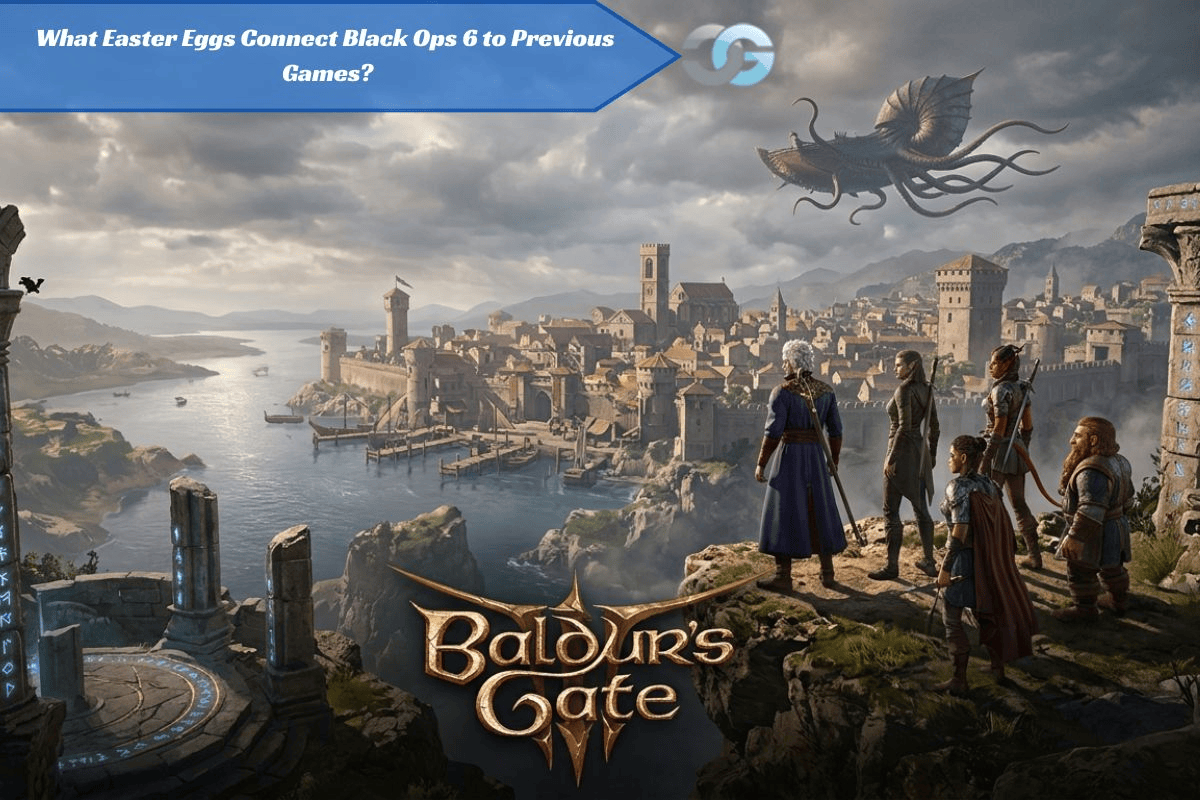
At first, I honestly thought I understood how Baldur’s Gate 3 worked.
Talk to people. Pick the “nice” dialogue option. Do a few quests. Fight monsters. Standard RPG stuff.
Then somewhere around the middle of the game, one random conversation completely ruined my plan.
Not immediately, though. That’s the thing.
The game waited hours before reminding me about it.
A character I barely paid attention to earlier suddenly showed up again angry at me, another companion started questioning my choices, and a questline went in a totally different direction than I expected. I actually sat there for a second thinking, “Wait… this happened because of that conversation?”
That’s when the game really clicked for me.
A lot of people buying baldur’s gate ps5 probably expect combat to be the main challenge. But weirdly enough, the conversations end up feeling way more stressful sometimes.
Because fights are predictable.
People aren’t.
Why do the dialogue choices feel weirdly real?
Probably because the game doesn’t treat players like idiots.
Most RPGs make choices painfully obvious:
- heroic option,
- evil option,
- sarcastic option,
- done.
Here, conversations feel messy. Somebody says something suspicious, but maybe they’re telling the truth. One companion likes your decision while another clearly thinks you’re being reckless. Sometimes there isn’t even a “correct” answer at all.
And honestly, that uncertainty makes everything better.
You stop trying to min-max every conversation after a while. You just react naturally.
Sometimes that means helping somebody because they seem genuinely terrified.
Other times you say something aggressive because the character annoyed you for three straight hours. Which… probably isn’t smart, but people do it anyway.
That human unpredictability is what makes the game feel alive.
Quick Tip:
Save often in Baldur’s Gate 3. Not because you’ll lose fights — because conversations can spiral out of control very fast.
How do tiny decisions end up affecting later acts?
This is probably the craziest part of the whole game.
Stuff doesn’t just disappear after you make a choice.
A random side character you helped near the beginning might return much later with new information. Somebody you ignored could suddenly become important again. Sometimes entire situations change because of one conversation you barely even remember.
And the game never dramatically announces it either.
That’s what makes it feel natural.
It trusts players to notice consequences themselves instead of throwing giant “YOUR CHOICE MATTERED” notifications on-screen every five minutes.
To be fair, not many modern games do that anymore.
That replay value is also why people still keep talking about baldur’s gate ps5 long after finishing it. Almost everybody reaches the end and immediately starts wondering what would’ve happened if they picked different dialogue options.
Why Positioning Matters More Than Aim in Black Ops 6
Every shooter player says the same thing after losing a gunfight:
“My aim was off.”
Sometimes that’s true.
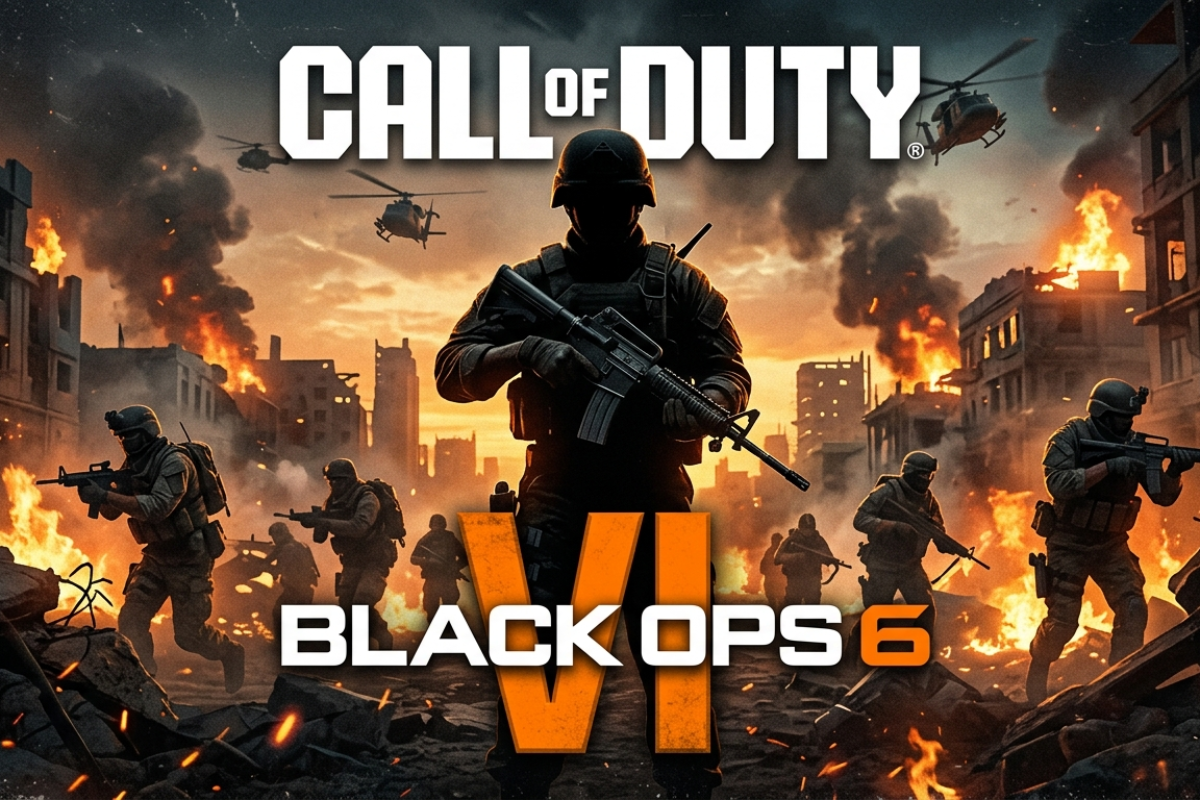
But in Call of Duty Black Ops 6, positioning quietly decides way more fights than people realize. Players with average aim but smart movement usually outperform players with incredible reflexes who keep making terrible decisions.
You can literally see it happening during matches.
The stronger players rarely sprint mindlessly through open areas. They move carefully, hold useful angles, and stay close to cover instead of chasing every kill.
Meanwhile somebody else slides directly into the middle of the map and gets deleted instantly.
Classic Call of Duty experience, honestly.
| Smart Habit | Why It Works |
| Staying near cover | Easier escapes during fights |
| Holding higher ground | Better visibility |
| Watching common routes | Predicting enemies becomes easier |
| Rotating early | Helps control objectives |
Good positioning makes average aim look better than it actually is.
That’s the secret.
Is Black Ops 6 Actually Worth Buying?
Fast multiplayer with less random chaos than expected
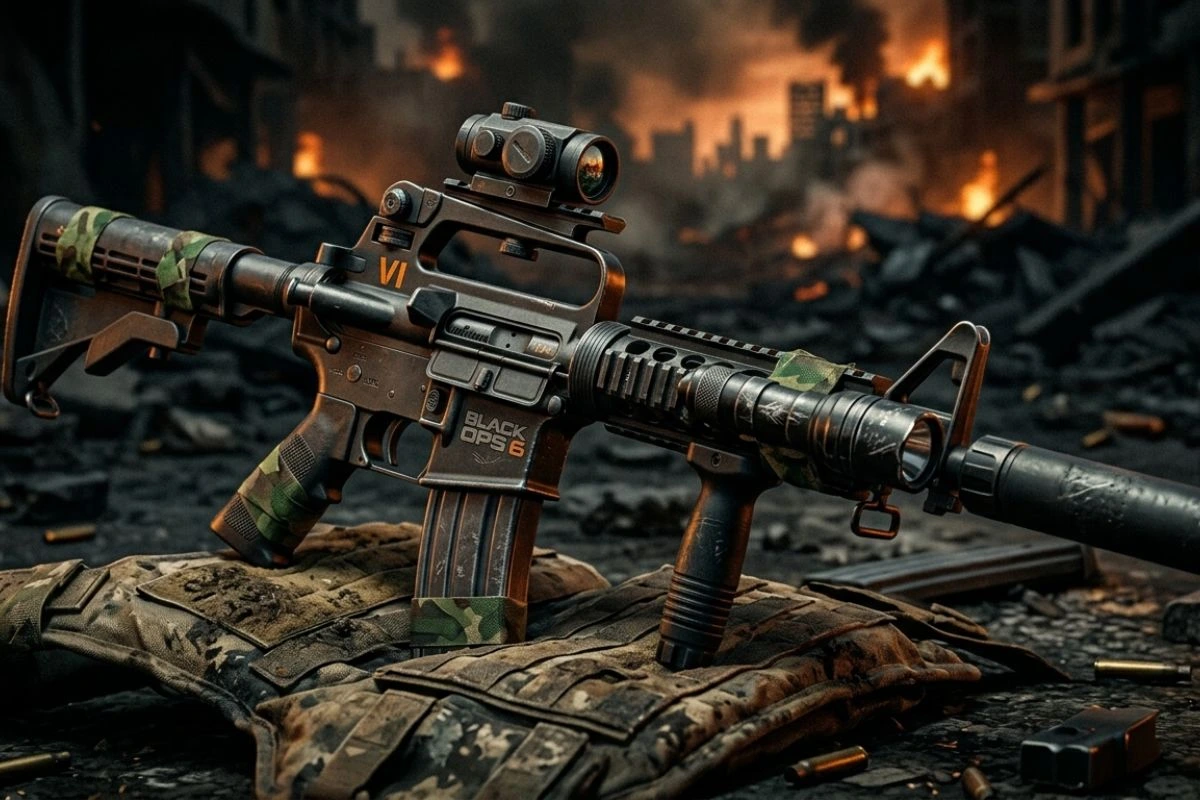
Call of Duty Black Ops 6 still has the loud, chaotic energy people expect from Call of Duty, but smarter movement matters more now. Players who understand maps usually perform way better than players trying to rely only on reflexes.
And yes, multiplayer still becomes sweaty very quickly.
Quick Specs
| Feature | Details |
| Genre | First-person shooter |
| Main Mode | Online multiplayer |
| Best Feature | Smooth movement |
| Learning Curve | Moderate |
Reasons to Buy
- Fast gameplay feels satisfying
- Strong PS5 performance
- Maps reward smarter movement
- Multiplayer stays active
Reasons to Avoid
- Competitive lobbies can feel exhausting
- Map knowledge matters a lot
- Rushing carelessly gets punished constantly
Best Deals / Price Note
Players planning to buy black ops 6 ps5 editions usually compare bundle discounts first since the overall black ops 6 price ps5 changes pretty often during online sales.
Note:
Aim helps win fights. Positioning helps avoid bad fights completely.
FAQs
Does dialogue actually change the ending in Baldur’s Gate 3?
Yeah, a lot more than most players expect. Small conversations, companion decisions, and even random side interactions can completely affect later acts and endings.
Is Baldur’s Gate 3 worth playing on PS5?
Definitely, especially if you enjoy story-heavy RPGs where choices genuinely matter. The PS5 version feels smooth overall, and playing from the couch honestly suits the game pretty well.
Why do experienced players focus on positioning in Black Ops 6?
Because positioning gives you easier fights before aim even matters. Better angles, safer cover, and smarter movement usually beat reckless rushing.
Should beginners buy Black Ops 6 on PS5?
Honestly, yes — but expect a learning curve online. Players looking to versions should spend some time learning maps first instead of only focusing on aim.
Why are slower RPGs becoming popular again?
Honestly? People got burned out.
For years it felt like every game wanted players grinding nonstop — battle passes, ranked systems, daily objectives, endless progression loops. Story-heavy RPGs brought back something different.
Actual immersion.
Games like:
- The Witcher 3 Wild Hunt
- Cyberpunk 2077
- Baldur’s Gate 3
…feel memorable because players become emotionally attached to what’s happening instead of just grinding rewards.
People remember moments more than mechanics sometimes.
And honestly, that’s why games like this stick with people
Most players won’t remember every weapon stat or skill tree months later.
But they will remember:
- the conversation that accidentally changed everything,
- the teammate who ignored positioning completely,
- the quest they ruined because they trusted the wrong character.
That stuff feels personal.
And games become a lot more interesting when they stop treating player choices like meaningless decoration.