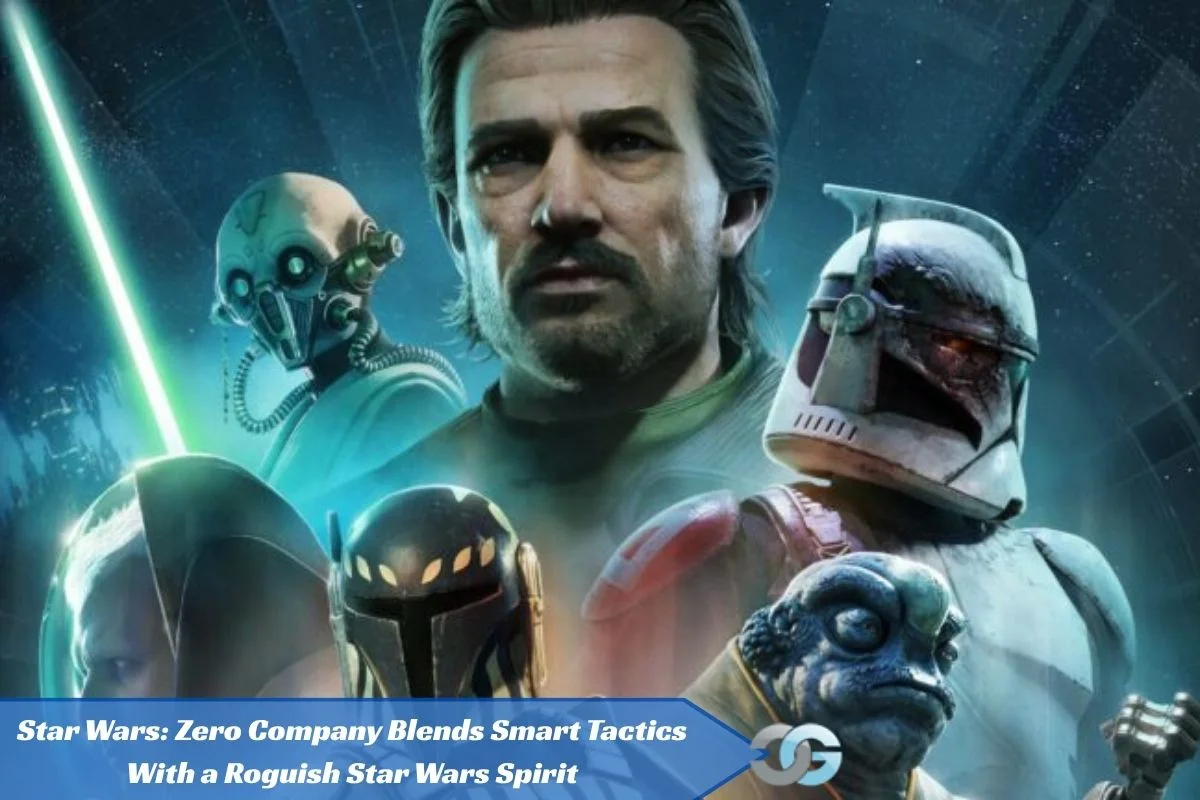
Star Wars: Zero Company Blends Smart Tactics With a Roguish Star Wars Spirit
Every XCOM veteran knows the feeling.
Your best soldier takes one bad hit. The percentage looked safe. The move seemed right. Then the worst possible thing happens.
They’re gone.
That tension is at the heart of Star Wars: Zero Company, and it is exactly what makes the game such an exciting addition to the Star Wars universe. Developed by Bit Reactor, a studio with deep connections to the team behind modern XCOM, Zero Company takes the familiar pressure of turn-based tactical combat and drops it into one of the most dangerous periods in the galaxy.
But here’s the important part: Star Wars: Zero Company isn’t simply XCOM with blasters and lightsabers.
It takes the tactical foundation players know and adds character-driven storytelling, a rough-around-the-edges squad, difficult choices, and a darker Clone Wars setting. The result is a Star Wars adventure that feels strategic, personal, and surprisingly human.
Star Wars XCOM? Yes — But There’s More Going On Here
At first glance, the XCOM comparison is impossible to ignore.
Star Wars: Zero Company features:
- Turn-based squad combat
- Cover-based battles
- Tactical positioning
- High-risk missions
- Permanent consequences
- The constant pressure of making every move count
And that makes sense. Bit Reactor was founded in 2021 by Greg Foertsch, who spent around two decades at Firaxis and worked as an art director on the modern XCOM games.
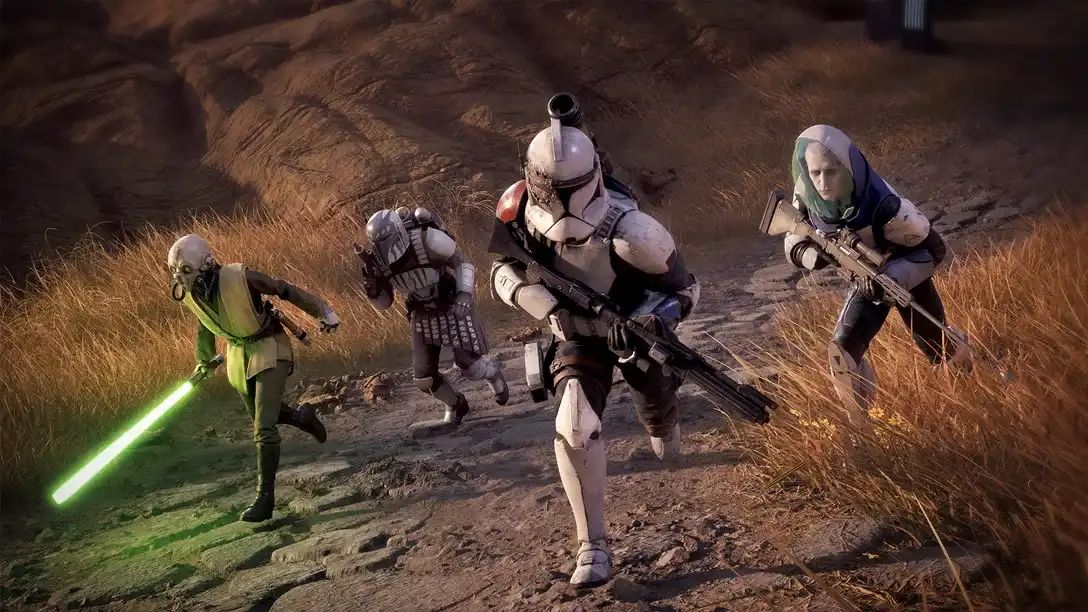
That influence is visible throughout the experience. The cover system, tactical accuracy mechanics, squad positioning, and cinematic combat moments all carry familiar DNA.
However, the game does more than copy the XCOM formula.
One early hands-on comparison described Zero Company as feeling closer to Mass Effect with turn-based tactics and permadeath. That might sound like an unusual combination, but it makes sense once you look at how the game handles its story and squad.
Instead of simply selecting missions from a list and moving straight into combat, the game gives players a more structured and character-focused experience.
You can expect:
- A hub-and-spoke mission structure
- Squadmates with their own personalities and loyalty arcs
- Conversations and interactions between missions
- More emphasis on the people behind the blasters
So while the tactical combat may initially bring XCOM to mind, the quieter moments are what give Zero Company its own identity.
A Clone Wars Story That Stays Away From the Spotlight
Star Wars has told plenty of stories about massive battles, legendary Jedi, and galaxy-changing duels.
Zero Company takes a different route.
The game is set during the final stages of the Clone Wars, shortly before Revenge of the Sith. Instead of focusing entirely on famous heroes and massive armies, it moves into the darker corners of the conflict.
This is a story about operations happening beneath the larger war.
Sabotage. Infiltration. Survival. Shadow operations.
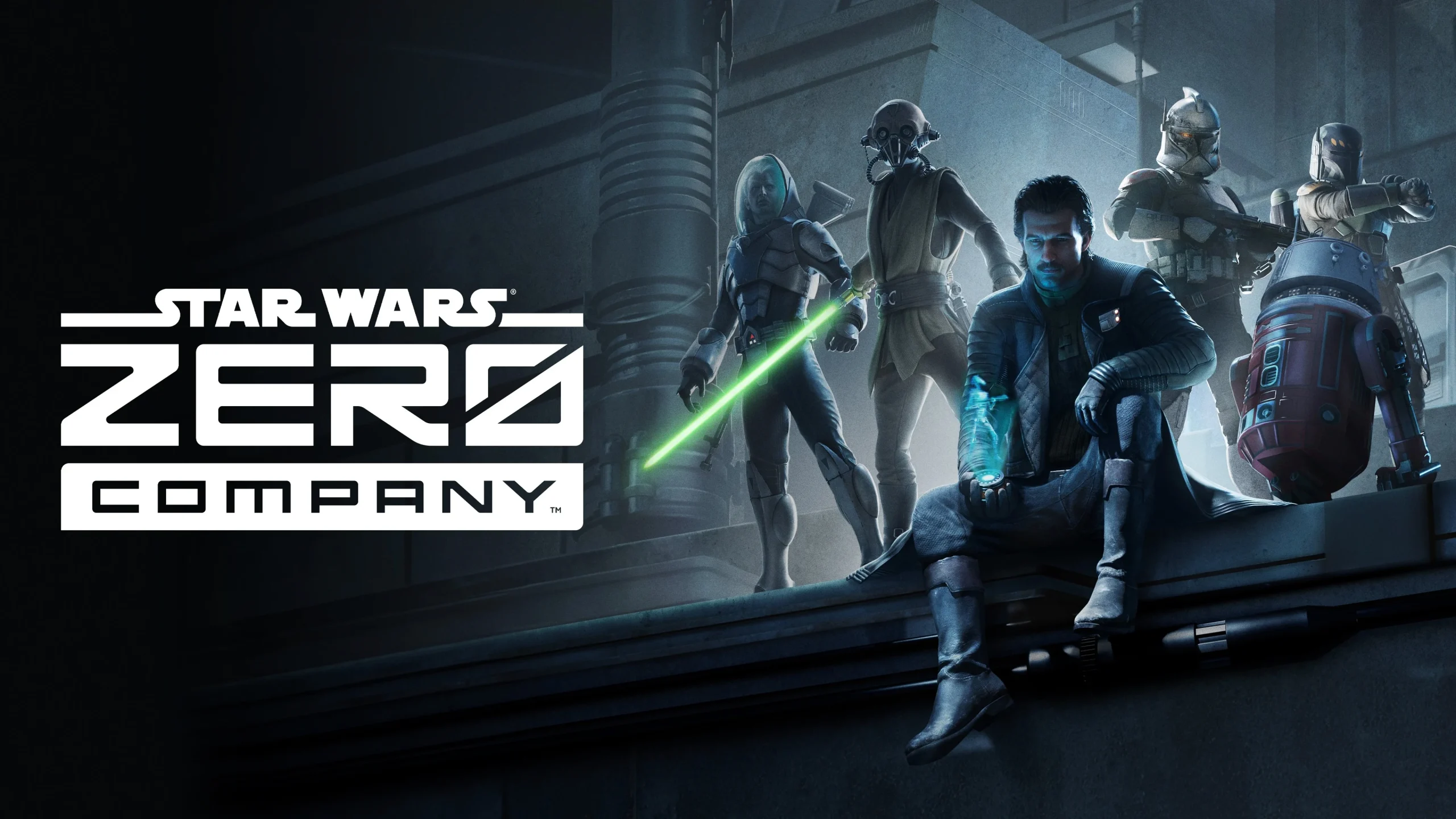
You play as Hawks, a former Republic officer who leads a group of unconventional fighters known as Zero Company.
And this is where the game’s “roguish” personality really begins to show.
Your squad can include characters such as:
- Clone Troopers
- A Mandalorian
- Astromechs
- Smugglers
- A Jedi Padawan
It is not a polished team of perfect heroes. It is a group of people with different backgrounds, skills, and reasons for being there.
And yes, losing someone can hurt.
The Jedi Operator is particularly interesting because there is only one Jedi character of that type available. If you play recklessly and the game allows the consequences to stick, losing an important squad member can become a genuinely painful moment.
That is a very different kind of tension from simply watching another anonymous unit disappear.
The game also brings in familiar Star Wars faces. Anakin Skywalker appears in the game, giving the story another connection to the larger Clone Wars timeline.
Why “Roguish” Is the Perfect Word for Zero Company
The tactical battles are important, but Zero Company’s personality seems to come alive most clearly between missions.
This isn’t a game trying to make every moment feel like an enormous cinematic spectacle. Some of its quieter sections are deliberately simple.
Exploration focuses on interacting with points of interest and moving through relatively contained environments. On paper, that sounds basic.
In practice, simplicity gives the world room to breathe.
You are not constantly drowning in icons, loot systems, or endless open-world checklists. Instead, there is more space to spend time with your squad and absorb the atmosphere around them.
That approach also helps the missions stand out.
Zero Company is not just about walking into a room and eliminating every enemy.
Missions can include:
- Hostage rescues
- Sabotage operations
- Heists
- Straightforward combat encounters
The variety helps keep the tactical gameplay from becoming repetitive.
You can take up to four squad members into a mission, which keeps battles focused and tense. Every character matters, and a single mistake can quickly change the direction of a fight.
Beskar Mode Is Not for Players Who Hate Regret
For players who want maximum pressure, Zero Company includes Beskar mode.
And yes, it is exactly as intimidating as it sounds.
Think of it as the game’s answer to XCOM’s Ironman-style challenge:
- No casually undoing mistakes
- No convenient reload after a bad decision
- No easy escape from consequences
You make the decision.
Then you live with it.
For some players, that sounds stressful. For tactical game fans, it is exactly where the excitement begins.
When every shot, position, and movement could have permanent consequences, even a seemingly ordinary mission can become unforgettable.
A Team That Understands Star Wars
Zero Company also benefits from the people working behind the scenes.
Writer Aaron Contreras previously worked on the Star Wars Jedi games, bringing experience with modern Star Wars storytelling to the project.
Then there is Dee Bradley Baker, whose voice has become inseparable from Clone Troopers for many Star Wars fans after years of work across The Clone Wars.
Having him involved gives the game an immediate connection to the era it is exploring.
For longtime fans, these details matter.
Star Wars stories can look impressive while still feeling disconnected from the universe. Zero Company appears to understand that the setting is not just about recognizable ships, costumes, and lightsabers.
It is about the atmosphere.
It is about the people caught inside the war.
And sometimes, it is about the characters who never make it into the history books.
The Verdict So Far
The early response to Star Wars: Zero Company has been highly positive, with particular praise directed toward its tactical combat, presentation, squad dynamics, and the way it blends familiar strategy mechanics with a more character-driven structure.
One early outlet even described it as a potential all-time great Star Wars game, highlighting the level of presentation and ambition Bit Reactor achieved with its first release.
That is particularly impressive for a debut title.
Zero Company also takes a relatively focused approach to its overall structure.
It offers:
- A single-player experience
- A story-driven campaign
- Approximately 30–40 hours of gameplay
- No multiplayer
- No New Game+ mode
- A more linear campaign structure
That might not appeal to everyone.
But for players tired of games being stretched into endless live-service experiences, there is something refreshing about a focused adventure that knows what it wants to be.
Should You Add It to Your Library?
If you’ve been starving for a tactics game that actually earns its Star Wars branding instead of just wearing it, Zero Company is already shaping up to be one of the standout PlayStation games of the year — and it’s landing on “best PS5 games” conversations barely a day after launch. It’s out now on PS5, Xbox Series X/S, and PC, priced around $50/£40 for a genuinely full-scope single-player campaign.
If you’re the type who likes to buy PlayStation games without ever paying full price the second they drop, it’s worth checking around before you check out. GamesCard is a solid place to compare pricing on new releases like this one — especially handy if you’d rather wait out the launch-week rush and still land a good deal.
FAQ’s
When did Star Wars: Zero Company release, and where can you play it?
Star Wars: Zero Company released on August 27, 2026, for PlayStation 5, Xbox Series X/S, and PC.
Is Star Wars: Zero Company similar to XCOM?
Yes. It shares turn-based tactical combat, cover mechanics, and high-stakes consequences with XCOM, but also adds a stronger focus on story, squad relationships, and character interactions.
Does Star Wars: Zero Company have multiplayer?
No. The game is designed as a single-player, story-driven experience.
How long is Star Wars: Zero Company?
The campaign is expected to take approximately 30–40 hours, depending on difficulty and playstyle.
Is Anakin Skywalker in Star Wars: Zero Company?
Yes. Anakin Skywalker appears in the game, although he is not a playable character.
What is Beskar mode?
Beskar mode is the game’s high-stakes challenge mode, similar to XCOM’s Ironman-style experience, where mistakes and permanent consequences cannot simply be undone by reloading a previous save.
Do I need to play XCOM before Star Wars: Zero Company?
No. You don’t need to play XCOM first to enjoy Star Wars: Zero Company. XCOM experience may help you understand tactical combat, but Zero Company is designed to be approachable for newcomers to the genre.
What happens when an Operator dies? Can story characters permanently die?
Yes, story characters can permanently die too — including named Operators. Only exception: Hawks (your player character) never dies, just fails the mission. Permadeath is on by default, but toggleable.